How-to guide · Fingertip pulse oximeters
Perfusion index (PI) on a pulse oximeter
The perfusion index describes part of the sensor signal. See how it differs from oxygen saturation and pulse rate, and when you might want it on the display.
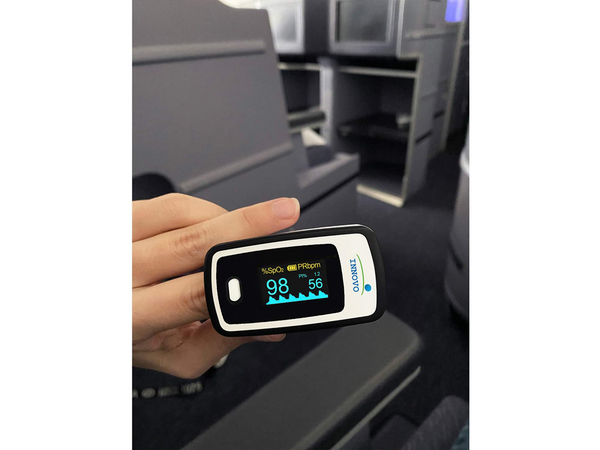
PI, SpO₂, and PR are different readings
PI compares the pulsatile and nonpulsatile parts of the optical signal. SpO₂ estimates oxygen saturation. PR is pulse rate in beats per minute. A change in PI does not mean that oxygen saturation changed.
Is there a normal PI for everyone?
The number varies with sensor placement, local circulation, and the device. Check the manual for what your model displays. If a healthcare professional asked you to monitor, follow their instructions about the device and readings.
What to check if PI is low or changes
Check sensor placement and fit. Keep your hand still and warm and wait for the display to settle. Movement, temperature, and circulation can affect the signal. The number alone cannot identify a cause.
If you are concerned about how you feel, consider your symptoms and seek medical care when appropriate. The index cannot replace a clinician’s assessment.
When to choose a pulse oximeter with PI
For a spot check, an easy-to-read screen with SpO₂ and pulse may be enough. The Innovo iP900AP Deluxe shows PI and a pulse waveform if you want more information about the signal. Check whether the model saves those readings or only displays them.
Innovo iP900AP Deluxe product guide · Compare fingertip pulse oximeters